
jmayyoga news
Jen May | JUN 30, 2022
jmayyoga news
Jen May | JUN 30, 2022
Happy summer yoga friends! Here's a picture of my totally indoor cat Rufus exploring the patio. Now that he's gotten a taste of the outside, he meows by the back door every day....

Reminder - I will be away for the following classes:
Upcoming class theme: Fascia
Fascia is a category of connective tissue (tendons and ligaments are other types). It creates a matrix that supports and connects all the structures of the body (bones, muscles, organs, blood vessels to name a few). Just as muscles can get tight and restricted, fascia can too. And when we move, excercise or practice yoga, we're working the fascial system as much as the musculoskeletal system.
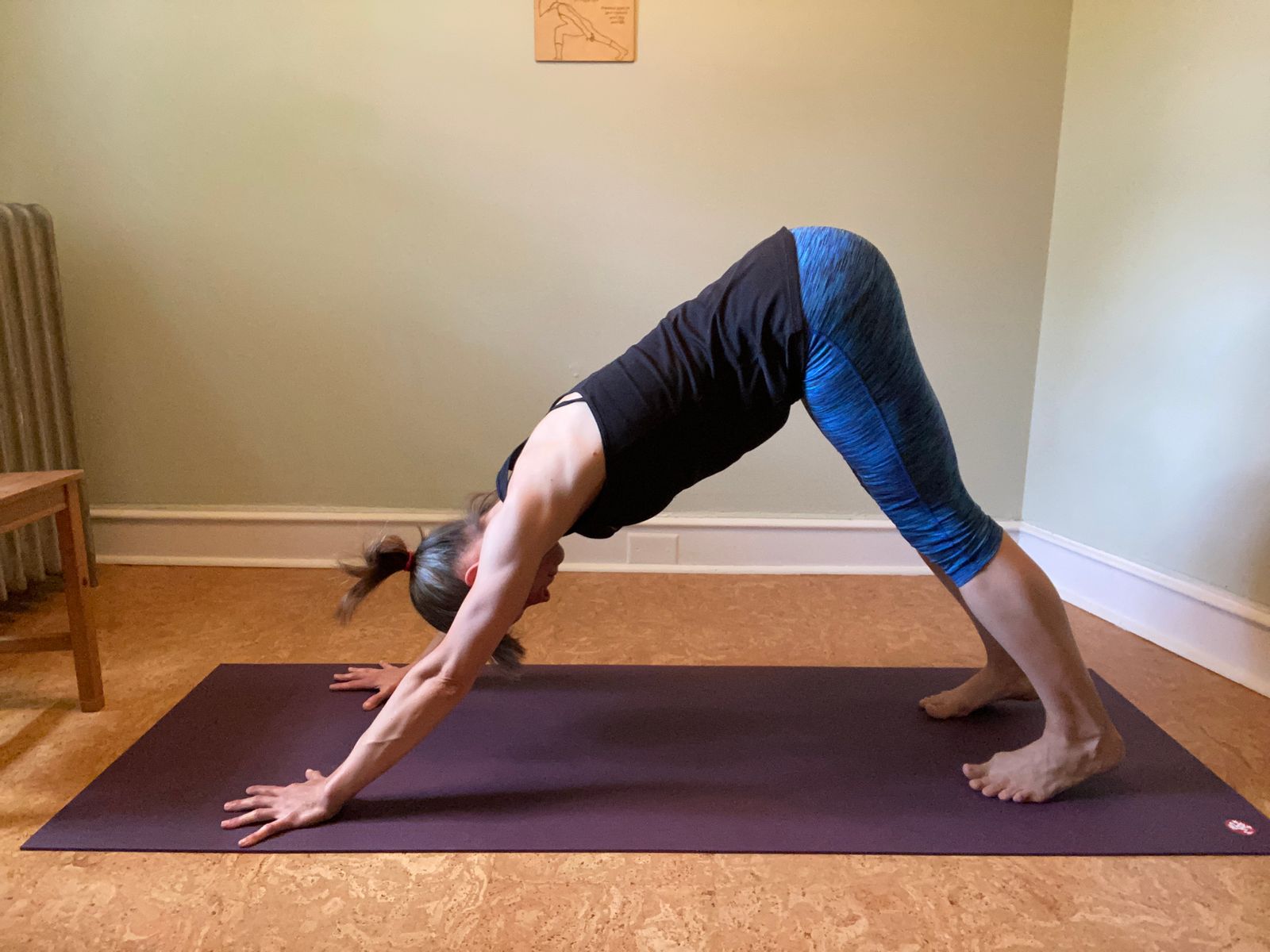
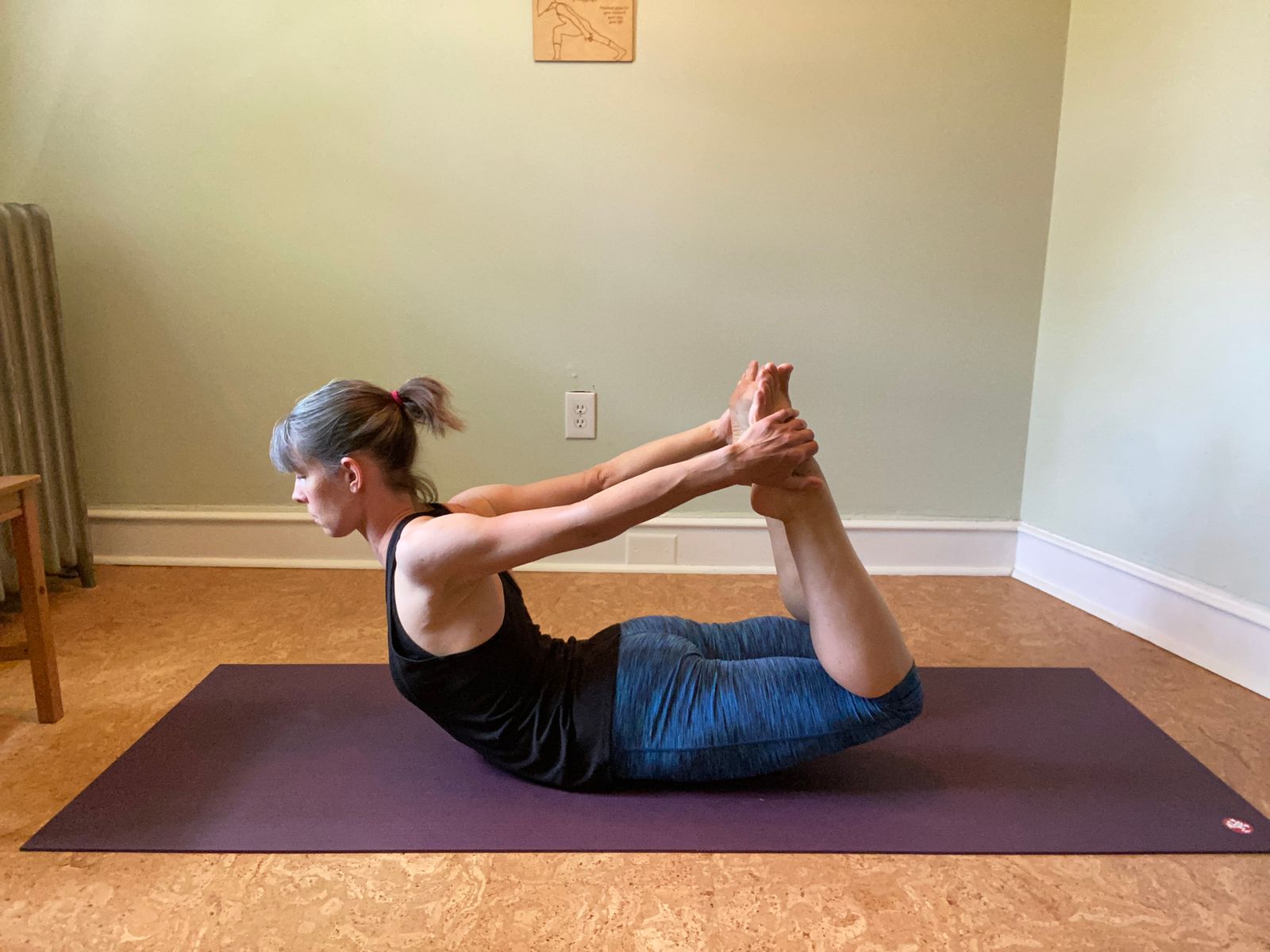
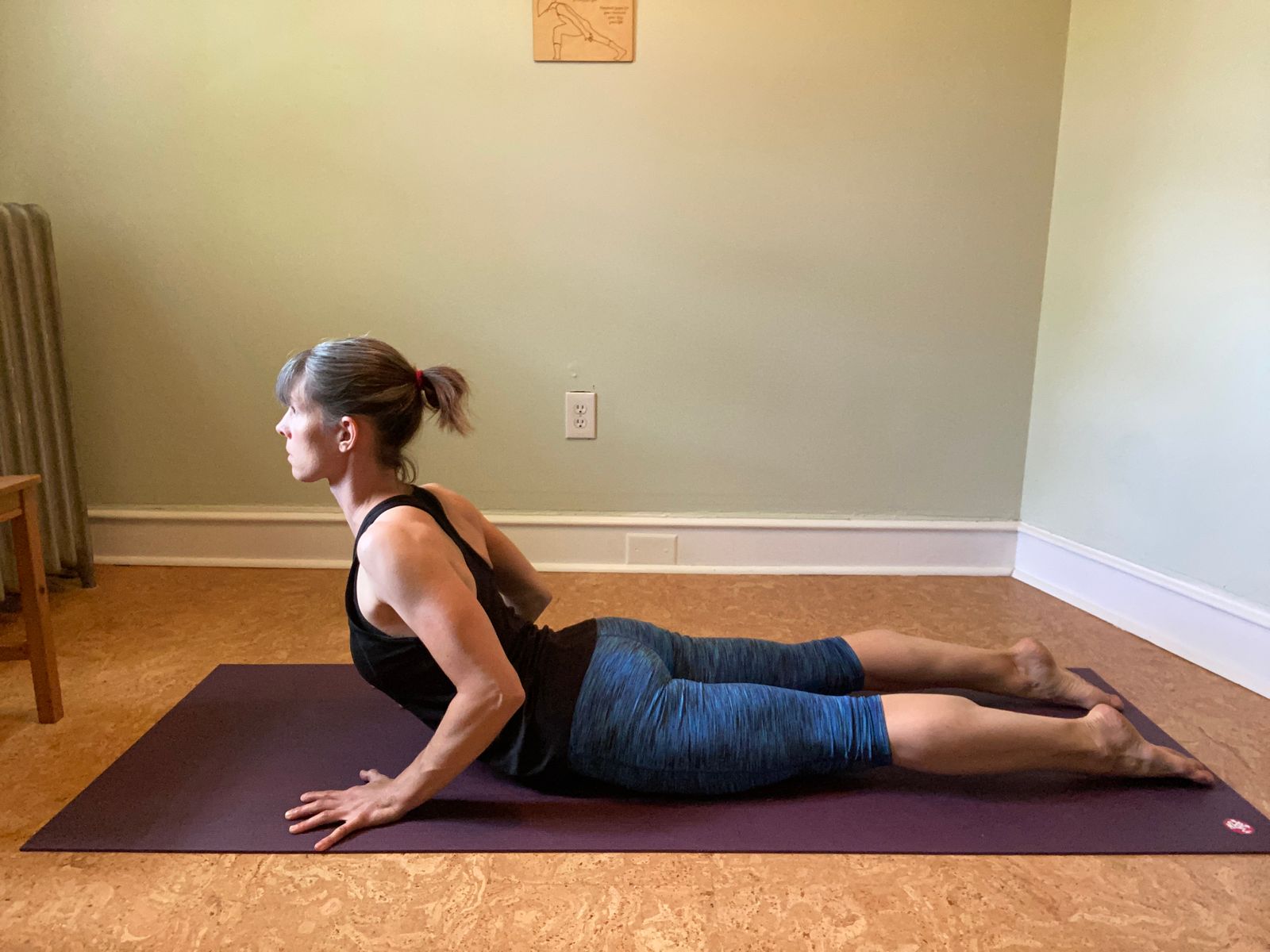
Tom Meyers is a researcher and body worker who has mapped much of the fascial network, and he has identified fascial connections that we can think of as lines running along large swaths of the body. For example, the superficial back line starts with the plantar fascia on your foot and extends to the back of your neck. This kind of connectedness can help explain why pain in one part of the body can be caused by an imbalance in a distant part.
One of the most common ways to work with fascia is with foam rollers and balls and other tools of self myo-fascial release, which are meant to release tension, relax your nervous system, and increase the gliding ability of fascia. Here's an example of a simple self-massage you can do at the base of your skull that can have an effect on the whole back fascial line.

In yoga, we can work with fascia by holding stretches for longer periods of time. It takes some time for your nervous system to get over the stretch reflex (a temporary unwillingness for a muscle to relax), and it takes additional time for fascia to respond. A two minute hold will get you into the fascial stretch territory. One of the benefits of yin yoga is the long-held stretches that 'get into' the fascia.
In our classes, we'll experience some of these long lines of fascial stretch in traditional yoga poses, like side angle pose. Cues like 'press into the outer edge of your foot and reach through your fingers' may make more sense when we can imagine anchoring one end of the fascial line in order to stretch the other end farther away.
Examples of yoga poses and fascial lines:
Here's my current class schedule:
Jen May | JUN 30, 2022
Share this blog post
 OfferingTree